
Published: 22 Feb 2025
Boating Tips & News
Our boatyard on The River Thames is situated in South Oxfordshire where we are fortunate to be amongst a diverse wildlife that includes mammals, birds, insects, and reptiles along with native flora and fauna.
We now proudly serve fresh Rijo42 coffee, soft drinks, snacks, and ice cream (seasonal) and have a couple of sets of log furniture to sit by the river and take in nature and stunning views of The River Thames whilst you sip away. So, even if you do not have a boat why not pop in to see us for a fresh coffee and ice cream (seasonal) and take a moment to relax by the water and see what you can spot?
If you love boats, trains, and planes there will also be plenty to see. Sheridan Marine is a working boatyard so we usually have a number of boats in storage, and in the warmer times, there will be activity on the water too. The Great Western Mainline railway to and from London crosses The River Thames in the distance via a bridge designed by Brunel. We see weekly activity from the local RAF base with chinooks and other helicopters flying low as they test the equipment. Heathrow flight path flies directly overhead (at a fair height mind you) so there is plenty of things happening. We occasionally have the pleasure of seeing the Flying Scotsman screeching past and usually have an annual flypast of the Red Arrows too which is always fun!
If you pop in to shop and enjoy a coffee and the scenery some of our local wildlife to look out for includes:
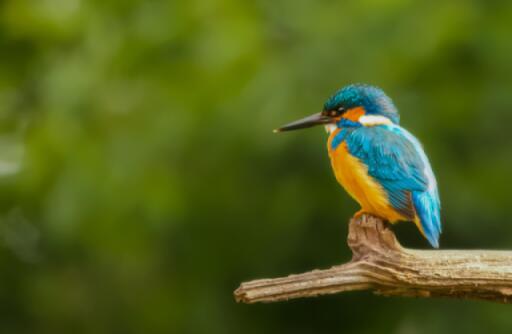
The Kingfisher is a beautifully bright blue and orange bird that is common to The River Thames. We can usually spot Kingfishers at the boatyard daily so there is a good chance you will see one here.
To spot this bird you will have to be quick as it is very fast! First look along the banks where they can be found perched, poised to fish, on low branches between 1-3ft above the water - you will have to be still and quiet to catch a long look as they scare easily. More likely is a fleeting glimpse where they usually fly long the river at about 1ft above the water. Sometimes if you are lucky they will even perch on boat rails for a rest too. (Image by wirestock).
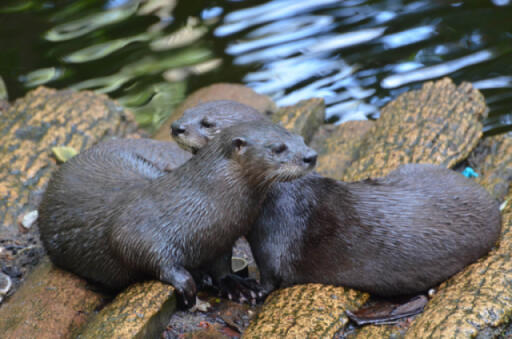
These seemingly playful mammals are in fact skillful, territorial carnivores and have begun to re-establish themselves on The River Thames over the past few years. We have had numerous sitings in our area and video evidence on wildlife cameras that suggest their activity is growing locally.
They are nervous creatures and spotting one takes luck, a good eye, and patience. They can be seen swimming along close to the banks (look out for a 'V' shaped wake), bobbing underwater four a few meters, then back up for air. They have fawn/brown fur with a flash of white on the underside (image DejavVu Designs). Look out for this flash as they dive underwater. They eat fish, crayfish, eggs and other small prey up to their own body weight.
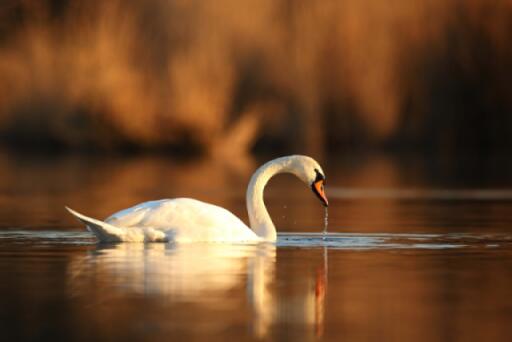
Mute swans are magnificent, large native river birds recognisable, when at adult age, by their glorious white feathers. They have distinctively long necks too which helps them to feed on reeds and algae found at lower depths (image vladimircech). Swans can usually be found daily, some even venture up the slipway for a walk around the boatyard! Perhaps the most spectacular sight is when the land or take flight from the river itself, maybe you will be lucky enough to witness this with a fresh coffee in hand.
Special River Thames event: Look out for the Swan-Upping which is a traditional annual census of swans and is an important historical event that takes place every Summer. You will usually see swan-uppers rowing traditional skiffs upstream in research of resident swans to count existing swans, register new cygnets, and check the health of the birds.
If you see a swan in danger call one of the Swan Rescue teams. Unfortunately swans can get caught on disposed fishing line and in some case they are targeted unnecessarily.
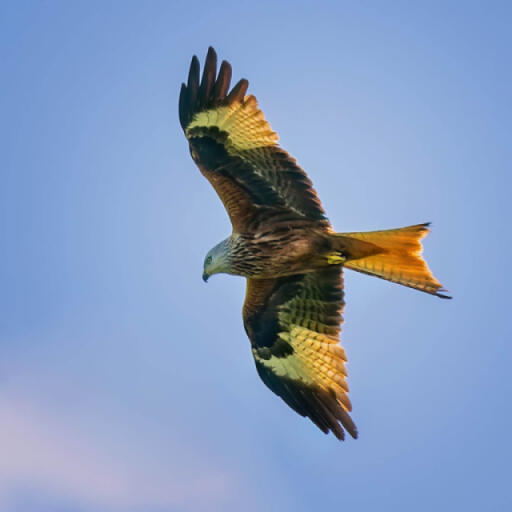
Red Kites are very common around our boatyard and we usually have nesting birds on site in the taller trees every year. They can be easily spotted soaring through the skies in the thermal air flows, easily identified by their distinctive forked tails (image mrpdesigner). Not to be mistaken for Buzzards that feature an 'open-fan' like tail.
You may notice crows giving the red kites a bad time when in the air and we have seen kites catching food from the river itself!
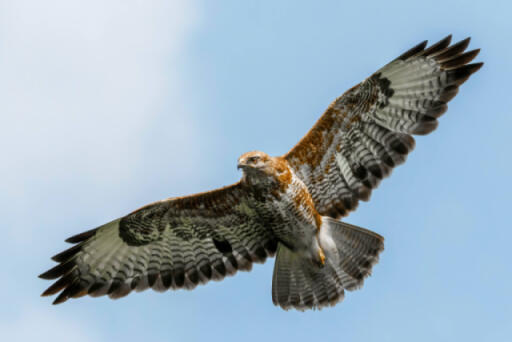
For being the most common UK bird of prey Buzzards are not that as commonly seen as Red Kites around our area but we do see them. They can be identified by their broad wings, short neck and 'open-fan' like tail unlike the Kites 'forked' tail.
Buzzards can vary in colour from pale browns to much darker plumage and white undersides. Adult buzzards have a distinctive black/dark brown line at the end of tail and wing feathers.
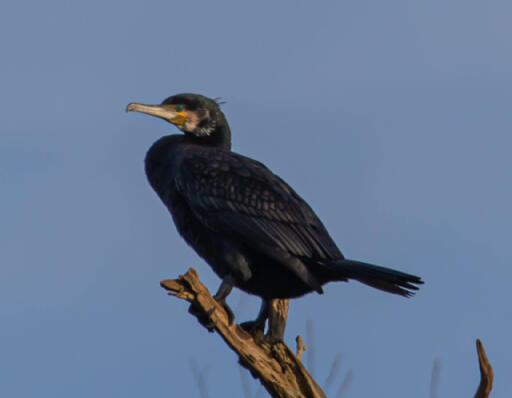
Cormorants are a common sighting on The River Thames, either flying past or perched in a tree with their wings out to dry. This large black bird has a reptilian neck and an almost prehistoric appearance (image wirestock). Cormorants are supremely efficient at fishing, known to dive underwater as far as 150ft (45m) to catch their prey. They use their web feet to swim and their wings to turn rapidly to catch fish.
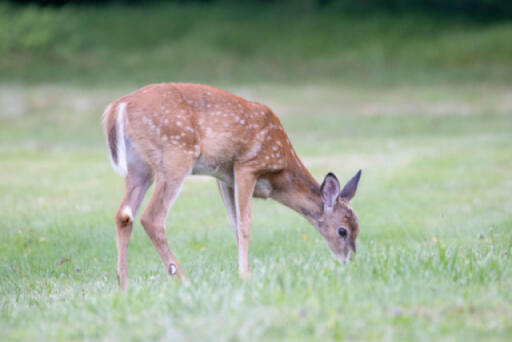
Roe Deer have been known to wander the grounds on quiet evenings. You will have to be patient and still as they have exceptional hearing and are scared easily so will try to avoid humans. They are rapid too, with a recorded speed of approximately 37 miles per hour they can disappear in an instant. Roe deer are light brown and have long pointy ears, black eyes, and a white lower chest. Fawns often feature white dots on their body which usually fade with age.
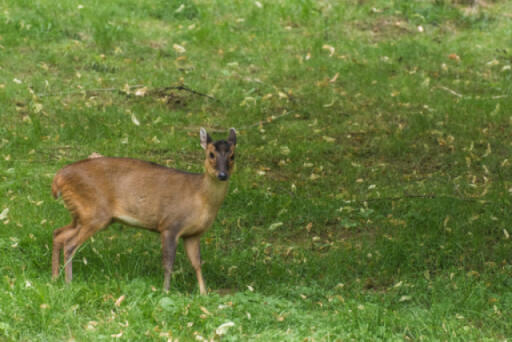
A small, non-native deer that grows up to 50cm to the shoulder and is usually spotted at dawn or dusk. They can be heard 'barking' which is sometimes the earliest indication that they are around, look out for their red-brown fur, creamy-white stomach, and hunched appearance (image thomaseder). Does (females have black diamond markings while bucks (males) have black 'V' markings and can also feature small antlers in between their ears.