
Published: 3 Nov 2026
Boating Tips & News
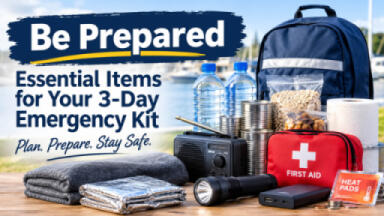
Being prepared comes naturally to most boat owners and it doesn't mean expecting the worst. It simply means having the essentials close at hand should everyday life be temporarily disrupted. Whether it's severe weather, flooding, an extended power cut, water supply problems or disruption to shops and communications, a little forward planning can make a considerable difference. It is about planning for the temporary loss of conviences we have all become so used to, it is not about panic buying for lasting change.
The UK Government's Be Ready campaign, launched in October 2026, encourages households to be self-sufficient for short periods of time during an emergency. The advice is straightforward: keep some essential supplies at home, know what you might need and build your preparations gradually.
At Sheridan Marine, we understand the value of being properly equipped for unforeseen situations, we have seen our fair share of flooding after all! Anyone who spends time boating, travelling, camping or enjoying the outdoors knows that having the right equipment available can make an unexpected situation much easier to manage. The same principle applies at home, and your natural instinct, as a captain or crew member, will usually guide you to create the right Emergency Kit for you and your family.
If you need a little help we've put together this practical guide (based on decades of boating experience) to some useful items for an emergency kit for you to consider. Combining the Government's official recommendations with a few additional suggestions that can make life more comfortable if normal services are temporarily unavailable.
The idea isn't to panic buy or fill your cupboards with things you'll never use. It's about sensible preparation, using equipment that has a practical purpose and gradually building a useful reserve.
As boaters we often prepare for long trips 'off-grid'. The UK Government are suggesting a short-term emergency kit, somewhere akin to 72 hours (3 days). Why prepare for 3 days you might ask? Modern households rely on a number of everyday services. Electricity, running water, mobile networks, internet access, card payment systems and regular, just-in-time, supermarket deliveries are things we generally take for granted now.
However, severe weather, flooding, infrastructure and logistic problems or other unexpected events such as cyber-attacks can temporarily interrupt these services. Even a relatively short power cut can affect heating, lighting, food storage, communications and the ability to pay for everyday essentials. Having enough supplies to manage independently for three days gives emergency services and local authorities more time to concentrate on people who need immediate assistance.
The Government recommends starting with what you already have, identifying any gaps and adding a few items during your normal shopping trips. There should be no need to assemble everything in one go.
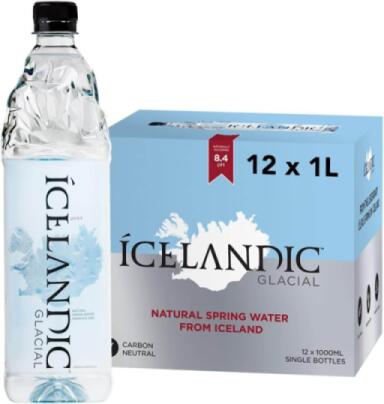
Water should be at the top of any emergency preparedness list. If the mains supply is interrupted or water becomes temporarily unavailable, having bottled drinking water stored safely at home is extremely valuable.
The Government recommends keeping at least 3 litres of drinking water per person per day. That means a minimum of 9 litres per person for a three-day period. Additional water will be needed for cooking, washing, personal hygiene, pets and other household requirements.
Order Bulk Boxes of Bottled Water on Amazon → #ad
For a family of four, this means starting with at least 36 litres for drinking alone.
Water is bulky, so it's worth building up your supply gradually and checking the manufacturer's storage and best-before guidance.
If you are planning to store water yourself you should have water purification available such as Elsan Elsil Drinking Water Purifier which will prevent water degradation and kills bacteria, viruses, and spores. Water Containers with Taps can be useful.
Having a selection of food that doesn't depend on refrigeration is another priority. If electricity is unavailable or shops are temporarily closed, a cupboard containing familiar, long-life foods can be extremely useful. The important consideration is to choose food that can be eaten without cooking or refrigeration. During a power cut, you may not have access to an electric cooker, microwave or kettle.
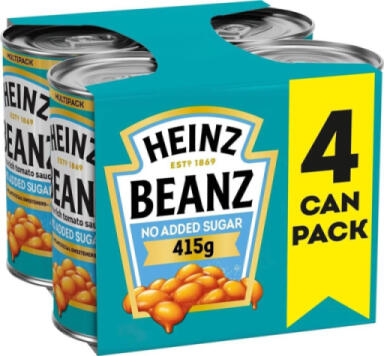
Tinned food is one of the easiest ways to build up a useful emergency food supply. It generally has a long shelf life, is easy to store and provides a convenient source of everyday nutrition.
Consider keeping a selection of:
Find your favourite Tinned Food on Amazon → #ad
Don't forget a manual tin opener. It is an inexpensive item that can easily be overlooked. An electric tin opener isn't much use if the electricity supply has failed!
Order a Manual Tin Opener on Amazon now → #ad

Dry foods are another excellent addition to an emergency cupboard. They are generally lightweight, compact and easy to store. Useful options include:
Choose foods that you and your family would normally eat rather than buying specialist emergency rations unnecessarily. Remember to consider allergies, dietary requirements and any specific nutritional needs.
Buy Long-Lasting Oats and Cereal Bars on Amazon → #ad
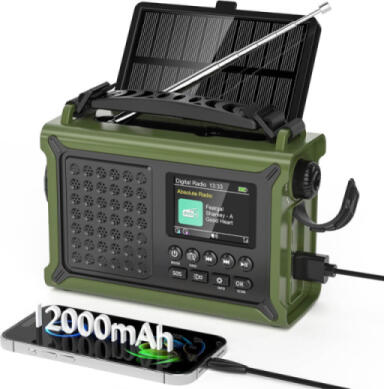
When the electricity goes off, mobile networks and internet services can also become unreliable. Having an alternative way to receive information is therefore an important part of emergency planning. A portable FM radio, particularly a wind-up or battery-powered model, allows you to listen to local and national news broadcasts without relying on mains electricity or an internet connection. Many boaters will have a VHF radio to hand (battery power handheld VHF Radios are available). This can be a good way for short distance communication however there is no official Government emergency frequency other than search and rescue, such as the HM Coast Guard.
A wind-up, or solar-charged radio is particularly useful because it can generate its own power using a hand-operated winding mechanism. Some models also incorporate a torch, USB charging facility or solar charging panel.
Get an Emergency Wind-up and Solar-charged Radio on Amazon → #ad
It's also worth writing down the frequencies of your preferred local and national radio stations so that you can find them quickly if required.
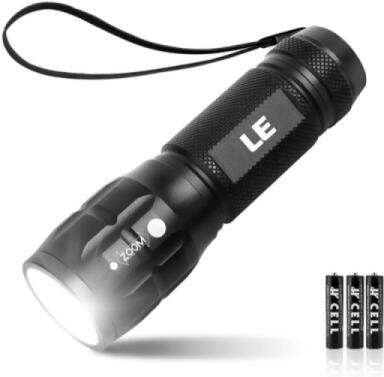
Good lighting is essential during a power cut, particularly during winter when daylight hours are shorter. A reliable torch makes moving around the house safer and helps with everyday tasks when the lights stop working; note, torches are safer than candles.
There are several useful options to consider:
Buy a Battery-Powered Torch on Amazon → #ad
Keep Spare Batteries in the appropriate sizes and check that rechargeable lights are fully charged periodically. A torch stored in an inaccessible cupboard is not particularly useful when the power suddenly goes off!
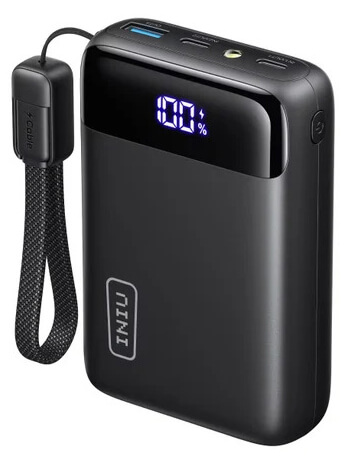
Our mobile phones have become essential communication tools. They provide access to emergency contacts, maps, important information and, where networks remain operational, the ability to contact family and friends.
A portable power bank provides a useful backup when mains electricity is unavailable.
When choosing one, consider:
It's worth having more than one power bank if several people in the household rely on their phones. Remember that power banks need to be recharged themselves, so check them regularly.
Explore Power Banks on Amazon → #ad

Keeping warm is particularly important during a winter power cut. Without central heating, even a reasonably well-insulated home can become uncomfortable as temperatures fall.It is recommended to keep blankets, sleeping bags and warm clothing as part of your three-day kit - much of which you may have at home anyway, however, consider including:
Choose a Colourful Blanket on Amazon → #ad
Read our Sheridan Liner Blog article on Helly Hansen all-weather clothing for inspiration and ordering layered, insulating and waterproof clothing.
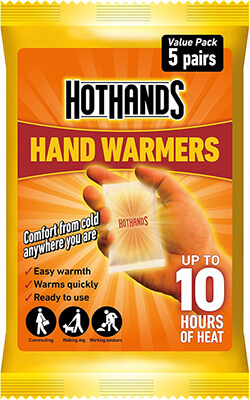
Heat pads can be a useful additional item, particularly in colder conditions. Disposable hand warmers and body warmers are compact, lightweight and easy to store, while reusable heat packs can provide warmth when needed. They are particularly useful for keeping hands warm, providing additional comfort outdoors or adding to your cold-weather equipment.
Always follow the manufacturer's instructions, particularly regarding direct skin contact, maximum use times and safe disposal. Heat pads should be considered an additional source of personal warmth rather than a replacement for proper clothing, blankets or safe household heating.
Buy Instant Hand Warmers on Amazon → #ad

When planning an emergency kit, it's easy to concentrate on food, water and electrical equipment while overlooking everyday hygiene products. However, if water supplies are interrupted or shops become inaccessible, basic bathroom and cleaning products can quickly become important. Make sure you have a reasonable supply of:
Wet wipes and hand sanitiser are particularly useful when running water is unavailable. A supply of bin bags can also help with keeping waste organised and maintaining a clean household environment.
A properly stocked first aid kit is an important part of any household preparedness plan. Minor cuts, grazes and other everyday injuries don't stop happening just because normal services are disrupted.
The Government recommends keeping a first aid kit or a selection of basic first aid supplies available.
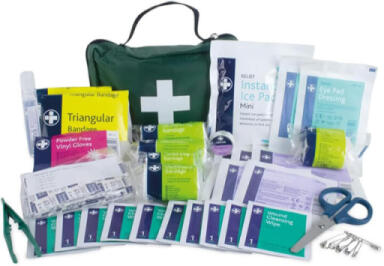
Useful items include:
Get a First Aid Kit from Amazon → #ad
Just as importantly, remember any prescription medicines or medical supplies that household members depend upon. Allow sufficient time to order repeat prescriptions and maintain an appropriate supply in accordance with medical advice.
If anyone relies on electrically powered medical equipment, consider backup batteries, charging arrangements and printed operating instructions. These requirements should be planned individually rather than relying on a standard household kit.
Most of us now pay for almost everything using a debit card, credit card or mobile phone. However, if payment networks, internet connections or ATMs are unavailable, electronic payments may not work.
The Government therefore recommends keeping a modest amount of accessible cash, with a mixture of notes and coins.
The amount you keep will depend on your household's circumstances and the essentials you might need to purchase. There is no need to keep excessive amounts of cash at home.
It's also sensible to keep copies of important documents in a secure, waterproof folder or bag.
Don't rely entirely on information stored on your mobile phone or computer. A printed copy of important telephone numbers and essential information can be invaluable when electronic devices cannot be accessed.
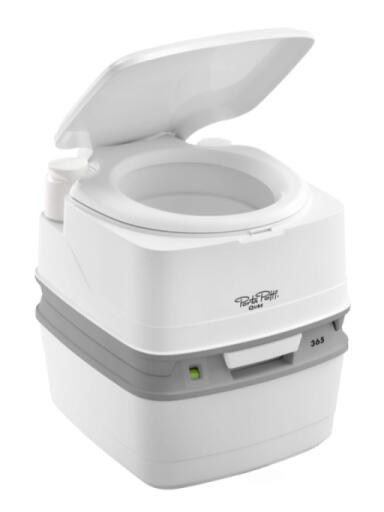
Beyond the Government's main checklist, there are several other inexpensive items that can make an emergency much easier to manage.
Families with babies or young children should also consider nappies, wipes, baby food, ready-to-feed formula, bottles and other essential supplies. The Government specifically recommends ready-made formula where possible because preparing powdered formula safely may be difficult if water and sterilising facilities are unavailable.
There is no single emergency kit that suits everybody. A household with young children, pets or medical requirements will have different priorities from a single person living independently. The best approach is to start with the Government's core recommendations and adapt them to your own circumstances. For convenience, try keeping your supplies together in a clearly identified cupboard, storage box or dedicated area that everyone in the household knows about. Keep it somewhere accessible, even if the lights are out.
If you may need to leave home quickly, consider keeping a separate grab bag containing essential items, important documents, medication and a change of clothing. Remember that if emergency services instruct you to evacuate, your safety comes first and you should follow their instructions.
One of the most useful messages from the Government's Be Ready campaign is that preparation doesn't have to be expensive or complicated. Many households will already have a torch, blankets, some tinned food and a first aid kit tucked away somewhere.
Start by checking what you own, make a list of anything missing and add a couple of items when ready. Rotate food and water supplies where appropriate, check batteries and rechargeable equipment, and review medication and personal supplies regularly. The Government recommends reviewing your emergency supplies every six months, checking expiry dates and making sure everything remains suitable for your household.
It's also worth checking whether you qualify for your utility provider's Priority Services Register. This free service can help electricity, gas and water suppliers identify customers who may need additional support during an interruption to services.
Being prepared is simply part of looking after yourself, your family and the people around you. We routinely keep spare tyres in our cars, life jackets on our boats and basic tools in our garages because we understand that things don't always go to plan.
Having a sensible three-day supply of essential household items follows exactly the same principle. It gives you a little more independence, helps reduce unnecessary stress and allows emergency services to concentrate on those who need immediate assistance.
At Sheridan Marine, we believe in having the right equipment for the situation. Whether you're at home, aboard your boat or enjoying the outdoors, a little preparation goes a long way.
Check what you already have, make a list and start building your own three-day kit today. There's no rush to buy everything at once – being prepared is about making sensible decisions, one step at a time.
For the full official Government guidance and downloadable checklist, visit UK Government – Be Ready for Emergencies. Links found in this blog page lead to a third party website, it is in no way associated with us, as an Amazon Associate we earn from qualifying purchases. Brands shown are Copyright of the respective owners and for illustration purposes only.


